Is SaaS taxable in Maine?
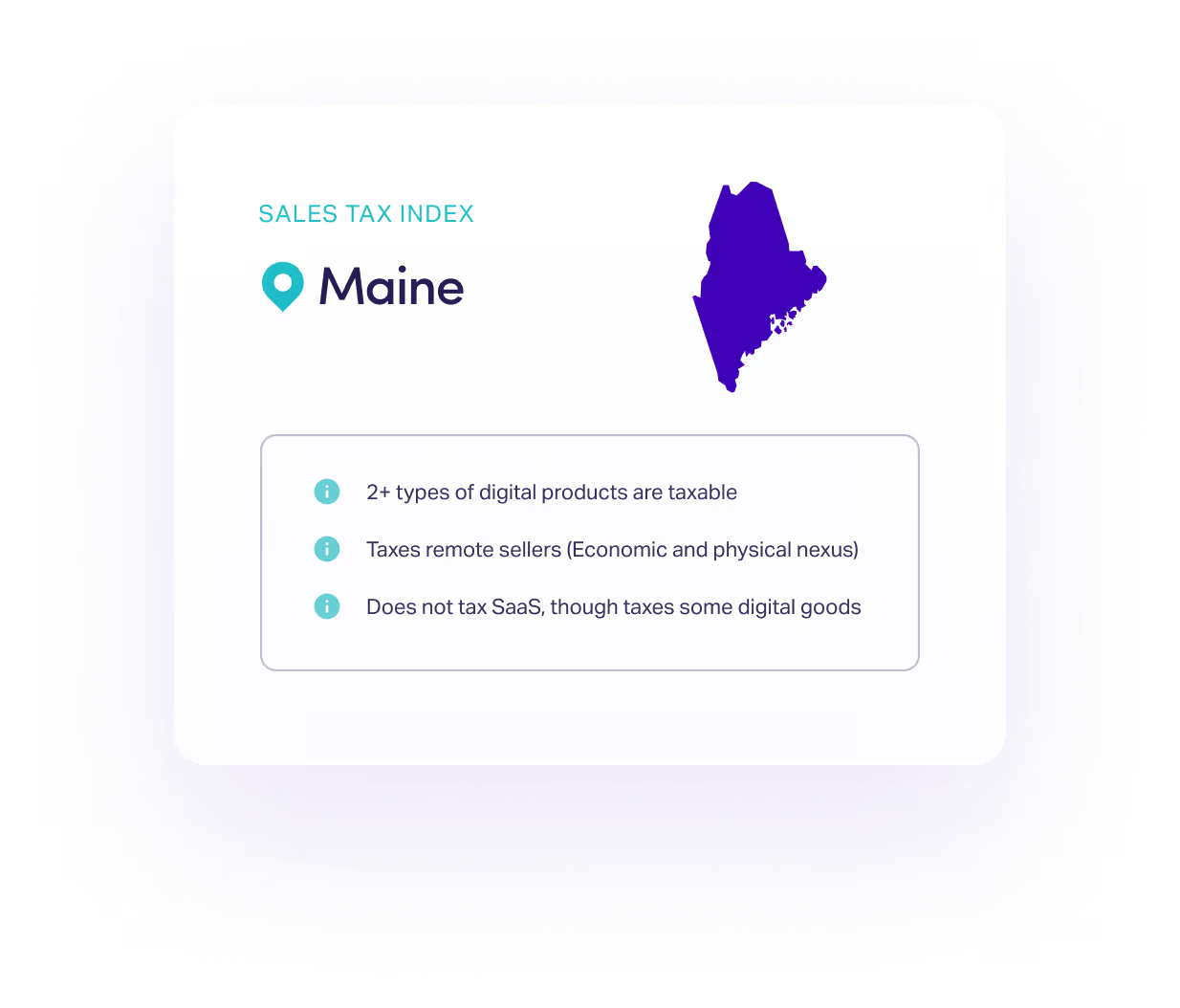
SaaS is not currently taxable in Maine, though many digital goods and services are. Taxable products are subject to the state’s 5.5% tax rate.
It is worth noting that Maine’s tax laws are subject to change. Staying up-to-date on any changes to the tax code can help you avoid potential tax liabilities and ensure that your product remains compliant with state tax laws.
How to determine if your product is taxable in Maine
Determining whether your digital product is taxable in Maine can sometimes be a gray area, as specific factors play a role in the taxability of a specific product. However, understanding the nuances of Maine’s tax code can help you determine whether your product falls under the taxable product umbrella.
Seeking professional guidance can help you navigate the complexities of Maine’s tax code and ensure that your product remains in compliance with state tax laws.
If you do sell a product that falls under a taxable category in Maine, you must also determine whether your business has sales tax nexus or a connection with the state.
In Maine, the following conditions can establish a sales tax nexus:
Maintaining an office, distribution center, or warehouse within the state.
- Having employees or agents working in Maine.
- Advertising in the state and targeting Maine customers for sales.
- Meeting the state’s economic nexus threshold of $100,000 in gross revenue from sales into Maine or 200 transactions within a calendar year.
If your business meets any of these criteria, you may be responsible for collecting and remitting sales tax to Maine.
Sales tax compliance in Maine
To remain compliant with Maine’s sales tax laws, businesses must first ensure they are registered with the Maine Revenue Services (MRS), particularly if they meet the state’s nexus criteria. After registration, businesses are required to collect and remit sales tax on taxable sales made within the state. This process includes several steps:
- Register for a sales tax permit: All businesses with nexus in Maine must register for a sales tax permit.
- Collect sales tax: Once you have your sales tax permit, you need to collect the appropriate amount of sales tax on taxable transactions, including any taxable SaaS products and digital goods.
- File sales tax returns: Businesses must file periodic sales tax returns, typically on a monthly, quarterly, or annual basis, depending on the sales volume. When filing the return, you need to report the total sales and taxable sales, as well as the sales tax collected during the reporting period.
- Remit collected sales tax: Along with filing your sales tax return, you must also remit the collected sales tax to the state. Failure to do so could result in penalties and interest charges.
Staying compliant with Maine’s sales tax laws can be time-consuming and complex. Engaging the services of a tax professional or tax attorney well-versed in Maine’s tax laws or using specialized sales tax software can help businesses ensure they are meeting all of their tax obligations and avoiding potential penalties.