Is SaaS taxable in Kansas?
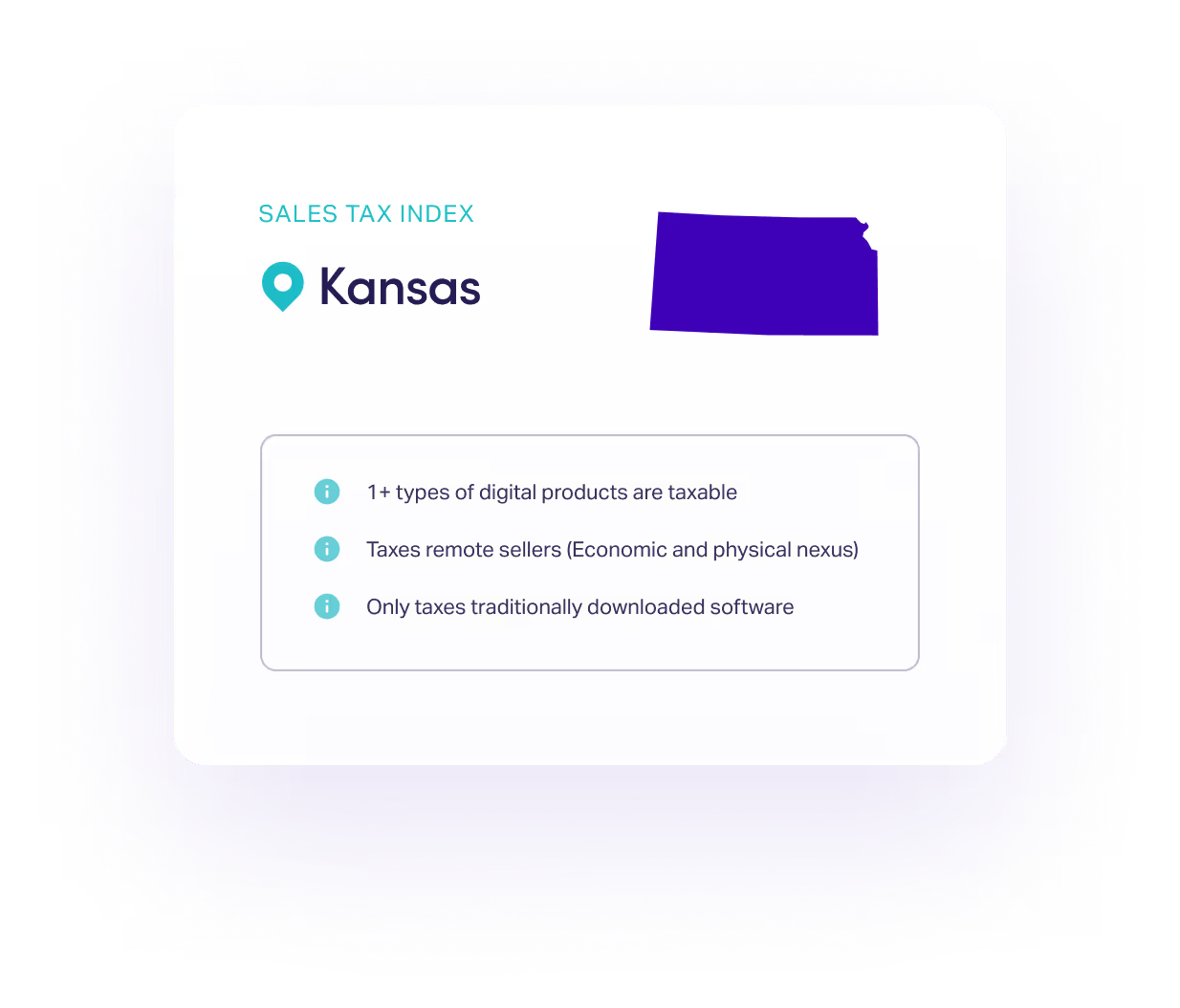
SaaS and other digital products are generally not taxable in Kansas, though the state does tax traditional downloaded software.
It is important to emphasize that tax laws, rates, and regulations can change over time. As a result, it is essential to stay informed and up-to-date on current tax laws in the state.
How to determine if your product is taxable in Kansas
In order to determine whether your SaaS product is subject to sales tax in Kansas, you must first understand whether it falls under a taxable category. This is especially important for businesses that have sales tax nexus in Kansas, which is a key factor in determining your sales tax obligations.
Nexus refers to the connection a business has with a state that subjects it to the obligation of collecting and remitting sales tax in that jurisdiction. Nexus can be established via a variety of ways, including having a physical or economic presence in the state.
In Kansas, a business is considered to have sales tax nexus if it meets any of the following criteria:
- Maintains a physical presence, such as a store, office, or warehouse within the state;
- Employs a person or persons in Kansas;
- Contracts with a third party to perform services within the state; or
- Makes over $100,000 in sales in Kansas within a calendar year.
If a business has nexus in Kansas and is selling a taxable product, it is required to collect sales tax on behalf of the state.
Sales tax compliance in Kansas
Once a business has determined that it is obligated to collect and remit sales tax in Kansas, compliance can be a complex and time-consuming process. Here’s a brief overview of the typical steps to compliance:
- Register for a sales tax permit: All businesses with nexus in Kansas must register for a sales tax permit.
- Collect sales tax: Once you have your sales tax permit, you need to collect the appropriate amount of sales tax on taxable transactions, including any taxable SaaS products and digital goods.
- File sales tax returns: Businesses must file periodic sales tax returns, typically on a monthly, quarterly, or annual basis, depending on the sales volume. When filing the return, you need to report the total sales and taxable sales, as well as the sales tax collected during the reporting period.
- Remit collected sales tax: Along with filing your sales tax return, you must also remit the collected sales tax to the state. Failure to do so could result in penalties and interest charges.
Ultimately, the most effective method for compliance is to stay informed and up-to-date on Kansas tax laws and regulations, and consider hiring a tax professional or employing tax automation software to assist in this process.