Is SaaS taxable in Connecticut?
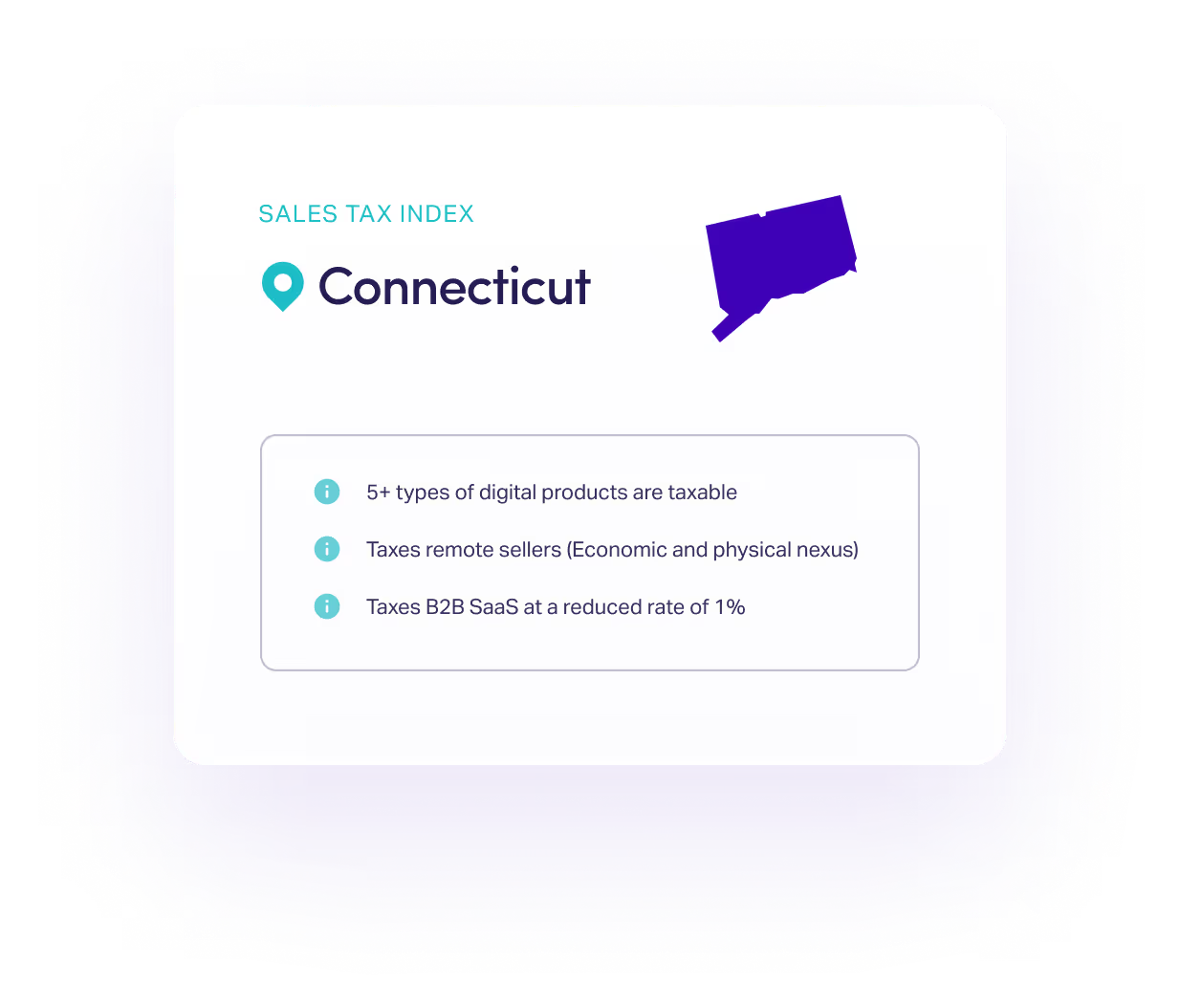
Connecticut broadly taxes digital products, including SaaS, digital goods, people services, and more. The statewide tax rate is 6.35%, but some products sold in B2B transactions, including SaaS, are subject to a reduced sales tax rate of 1%.
It is important to note that not all SaaS products fall under this category. If you are unsure whether your SaaS product is subject to sales tax in Connecticut, it is recommended that you consult with a tax professional to determine your specific tax obligations.
Additionally, it is important to stay up-to-date with any changes to Connecticut sales tax laws that may impact your SaaS business. For example, the state may change the tax rate or expand the types of SaaS products subject to sales tax in the future.
How to determine if your product is taxable in Connecticut
Once you’ve determined if your SaaS product or other digital product falls under a taxable category in Connecticut, you must also understand the concept of sales tax nexus. In simple terms, nexus refers to the established connection between a seller and a state that makes the seller responsible for collecting and remitting sales tax on transactions carried out within that state.
Connecticut has adopted economic nexus rules, which means that if your business exceeds certain sales thresholds or if you conduct business through a physical location or employee presence in the state, you could have nexus in Connecticut. If nexus is established, businesses are required to collect and remit sales tax for their transactions in the state.
Connecticut has set its economic nexus thresholds for remote sellers as:
- Crossing $100,000 in annual gross receipts within the state, and
- At least 200 separate transactions.
Businesses with taxable products who meet or exceed both of these criteria are expected to register for a sales tax permit and consciously collect and remit sales tax in Connecticut.
Sales tax compliance in Connecticut
Ensuring sales tax compliance in Connecticut is essential for your business to avoid legal penalties and safeguard its reputation. Sales tax compliance involves several steps:
- Register for a sales tax permit: All businesses with nexus in Connecticut must register to collect sales tax.
- Collect sales tax: Once you have your sales tax permit, you need to collect the appropriate amount of sales tax on taxable transactions, including any taxable SaaS products and digital goods.
- File sales tax returns: Businesses must file periodic sales tax returns, typically on a monthly, quarterly, or annual basis, depending on the sales volume. When filing the return, you need to report the total sales and taxable sales, as well as the sales tax collected during the reporting period.
- Remit collected sales tax: Along with filing your sales tax return, you must also remit the collected sales tax to the state. Failure to do so could result in penalties and interest charges.
Keep in mind that sales tax rates may change over time, and the classification and taxability of certain SaaS and digital products may also evolve. It is essential to stay updated on current tax laws, regulations, and rates to maintain compliance and avoid unexpected tax liabilities.