Are digital products taxable in Saskatchewan?
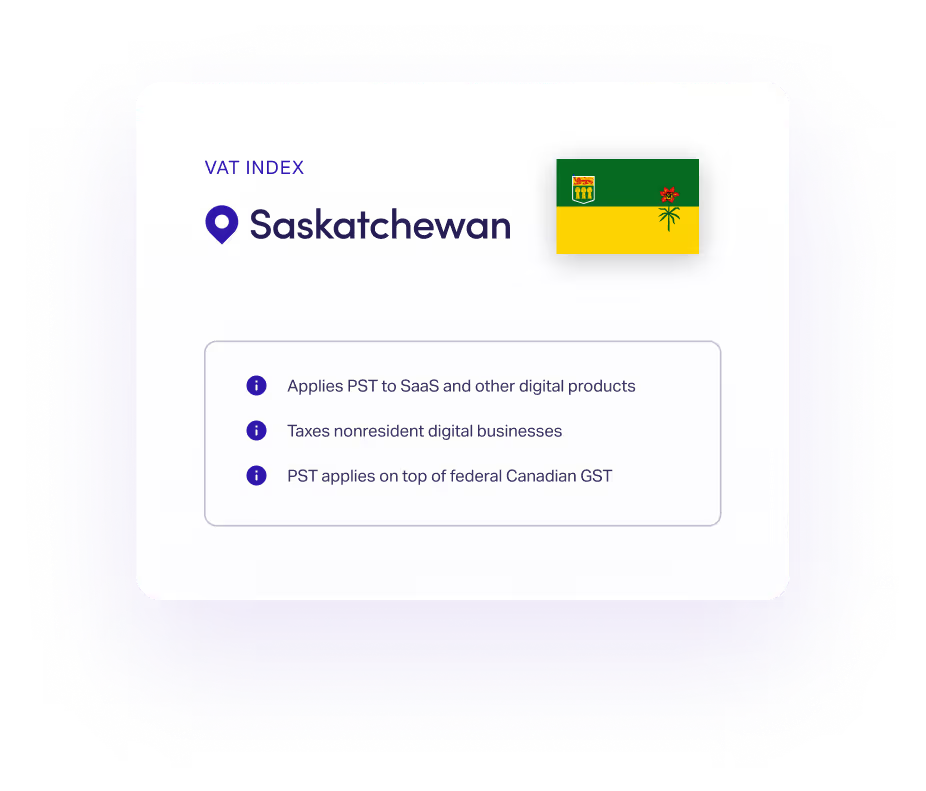
Saskatchewan levies a provincial sales tax (PST) on the sale of taxable goods and services in the province. The PST applies to businesses located both within and outside of Saskatchewan that sell digital products and services to customers in the province, and is levied in addition to federal-level tax in Canada.
The PST rate in Saskatchewan is 6% and it applies to sales of digital products and services sold to both businesses (B2B) and consumers (B2C). Businesses located outside Saskatchewan are required to register and collect PST after their first sale into the province.
Determining if your product is taxable in Saskatchewan
To determine whether PST applies to the sale of your digital product or service, there are three main factors to consider:
- Customer's location: You need to identify the location of your customer, as tax regulations vary by country. Common pieces of evidence for customer location determination include billing address, customer account address, and credit card country.
- Taxability of your product: Your digital product or service needs to qualify as a digital good or service for PST purposes. This typically means that it is delivered electronically over the Internet or an electronic network, is automated, relies on technology, and is not a physical good.
- Customer’s tax registration status: If you sell to other businesses located in Canada, you should collect and validate their tax registration numbers (tax IDs).
Getting PST compliant in Saskatchewan
To ensure compliance with PST regulations, here are the general steps that a nonresident company selling software or other digital products should take:
- Collect customer addresses and tax IDs: Even if you are not registered for PST, collecting customer tax IDs can save you expenses in the future. This step can be taken right away for customers outside the US.
- Understand your PST obligations: Determine where you have PST obligations by cross-checking customer locations and the product taxability and registration thresholds in each country. Each country has its own registration threshold, which triggers the requirement to register.
- Monitor PST exposure and register in exposed jurisdictions: If your sales reach the registration threshold in Saskatchewan, you are required to register for tax purposes. Each country has its own processes for registration, and Saskatchewan is among several Canadian provinces that have their own registration requirements in addition to federal rules.
- Apply PST where necessary: Identify transactions that require tax collection and apply the correct rates to those invoices.
- File PST returns, make payments, and keep records: Periodically file tax returns with the jurisdictions in which you sell, reporting the tax collected and remitted. Be prepared for foreign exchange conversions and cross-border payments in various currencies. Many countries also have a legal requirement to keep tax records for a certain period of time.
Risks of delaying compliance
Delaying tax compliance can expose your business to various risks:
- Audits: As tax legislation for digital goods is relatively new, audits for international sellers are increasing. Facing an audit for which you are not prepared can result in fees and penalties that can significantly impact your business.
- Paying out of pocket: Regardless of whether your customers pay tax, you are responsible for the tax on the sales you make. If you are audited or register late, you may have to pay the tax out of pocket, along with penalties and fees.
- Reputational risk: When expanding internationally, your compliance with tax rules may be questioned by potential business partners or customers. Failure to comply with tax regulations can harm your reputation and even lead to blocked business opportunities.
To learn more about tax rules and regulations for nonresident businesses around the world, explore Anrok’s VAT index for digital products.