Is SaaS taxable in Delaware?
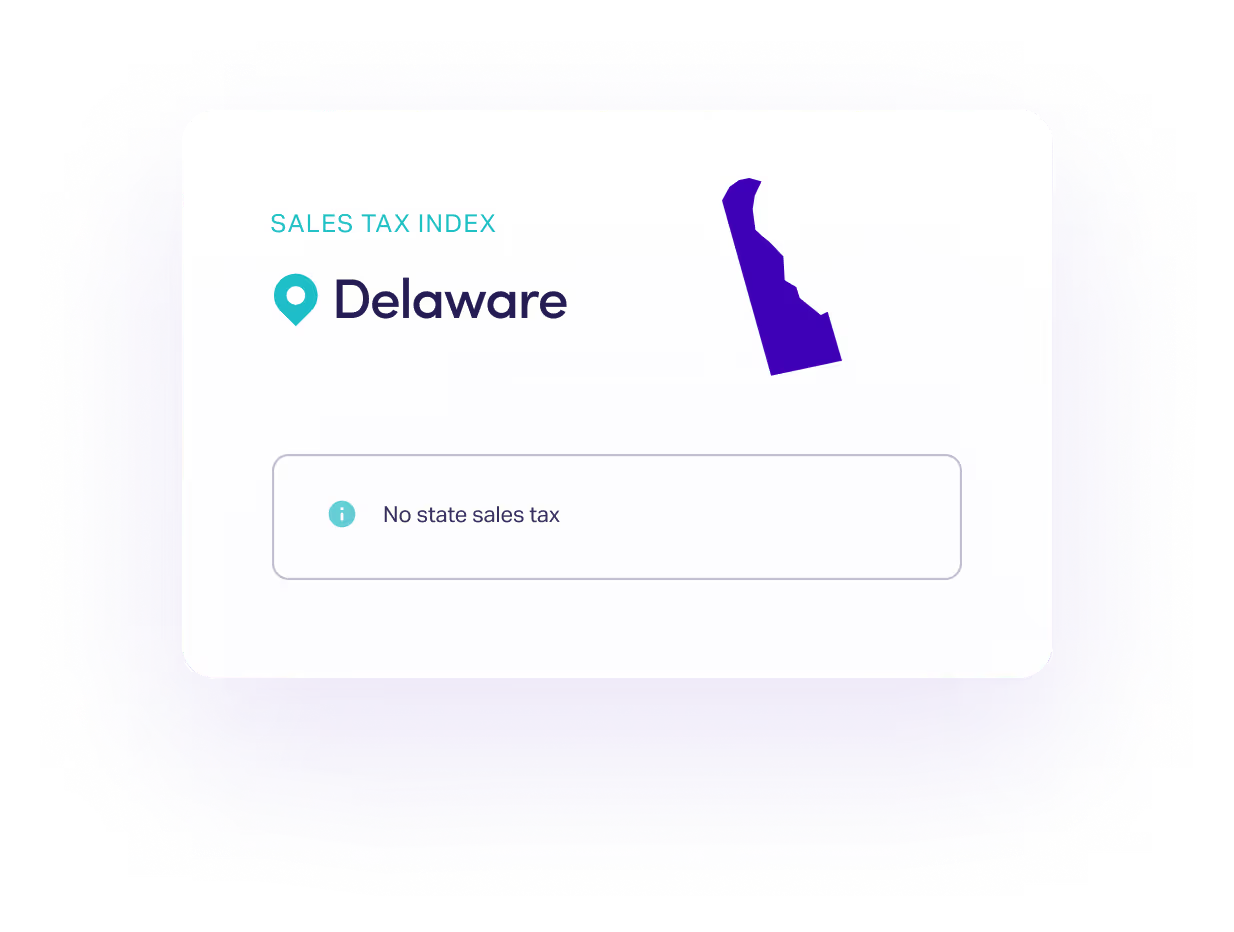
Delaware is one of the few US states without a traditional sales tax. This means that sellers of SaaS and other digital products don’t need to collect sales tax in the state.
Overall, while SaaS is currently not subject to sales tax in Delaware, it's important to stay informed on any potential changes that may occur in the future. Consulting with a tax professional can help ensure compliance with any new tax laws or regulations
How to determine if your product is taxable in Delaware
Even though Delaware does not have a sales tax, businesses operating in the state should still be aware of sales tax nexus laws, as they may have tax obligations in other states where sales tax is applicable. Sales tax nexus refers to the minimum level of presence that a business must have in a state for it to be required to collect and remit sales tax on transactions with customers located in that state.
While the specific nexus laws vary from state to state, common triggers include having a physical presence, employing workers, or generating a certain amount of in-state sales. For example, if a Delaware-based SaaS company sells its software subscriptions to customers in other states, it may establish a sales tax nexus in those states and would then be responsible for collecting and remitting sales tax on those transactions.
Understanding and complying with sales tax nexus laws in various states is an essential part of conducting interstate business and avoiding potential legal and financial consequences.
Sales tax compliance in Delaware
Although SaaS and digital products are currently not subject to sales tax in Delaware, it's crucial for business owners to maintain strict compliance with state tax regulations. Staying informed about potential changes to tax laws and understanding your responsibilities as an entrepreneur in Delaware can help ensure your business remains compliant and avoids any potential penalties or liabilities.
Working with a tax professional, remaining vigilant in tracking sales data, and understanding the tax implications of interstate commerce can help businesses maintain compliance and navigate the complex world of sales and use tax with greater confidence and ease.