Is SaaS taxable in California?
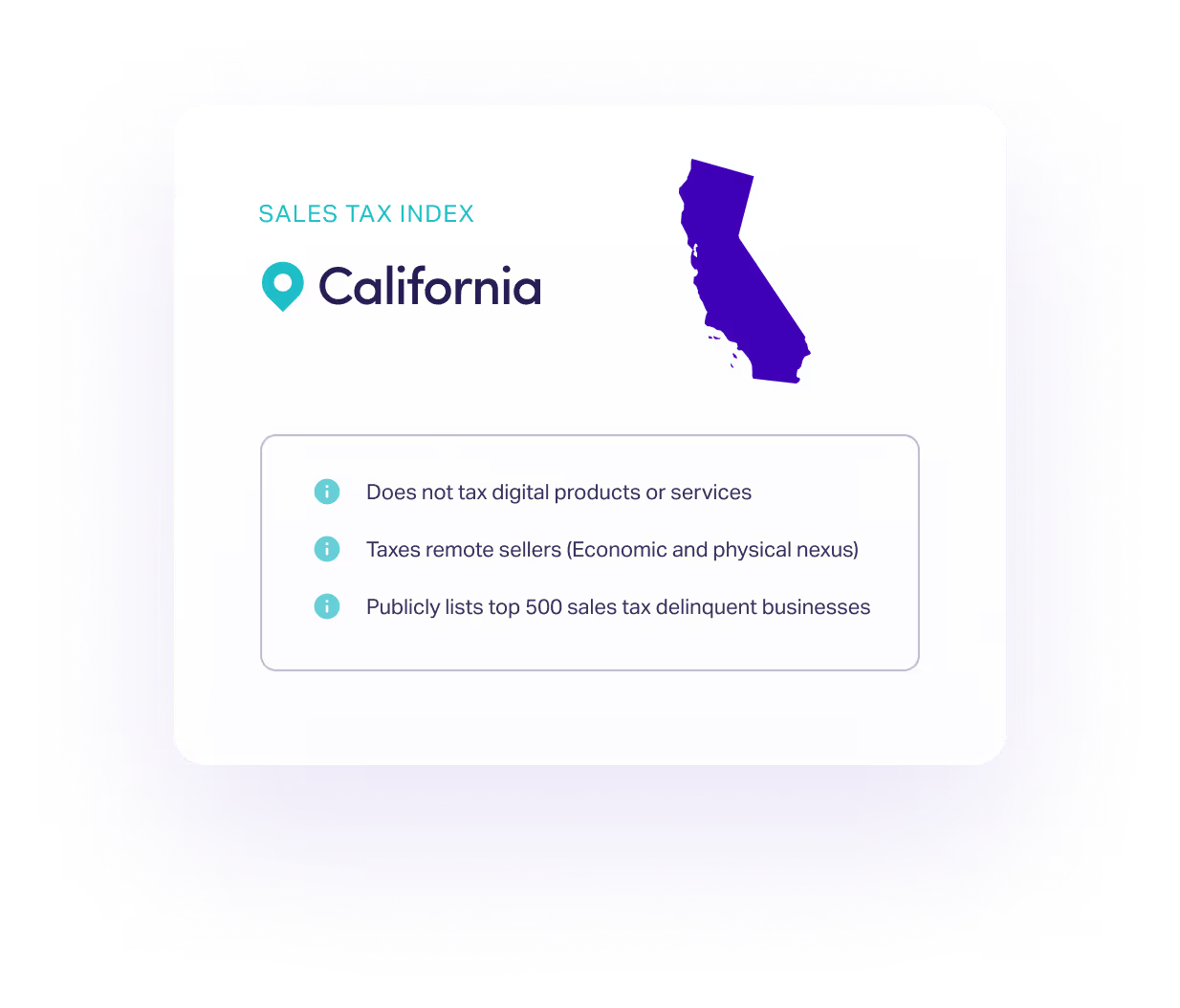
Businesses selling SaaS into California will need to register, collect, and remit California sales tax starting January 1, 2027 and will need to update their tax compliance systems and billing processes before the implementation date.
The way digital products are categorized can change from state to state and city to city. Explore Anrok’s sales tax index to get the latest information on SaaS taxability in the US.
How to determine if your product is taxable in California
If you sell a product that falls under a taxable category in California, an important factor in determining your sales tax obligations is the concept of “nexus.”
Nexus refers to the connection or presence a business has within a state, which enables that state to impose a sales tax obligation on the business. In California, sales tax nexus is established if:
- Your business has a physical presence in the state, such as an office, warehouse, or store.
- You have employees, salespeople, or agents operating within the state.
- You have significant inventory stored in the state.
- You meet or exceed an annual sales volume of $500,000 in the state.
It’s important to be aware of nexus laws, as they can impact the taxability of your product in California.
Sales tax compliance in California
If you determine that your product is taxable in California and you have sufficient nexus to be obligated to collect sales tax, you’ll need to go through the steps to get compliant. Here are the basic steps to get sales tax compliant in California:
- Register for a sales tax permit: All businesses with a sales tax nexus in California must register for a sales tax permit with the California Department of Tax and Fee Administration.
- Collect sales tax: Once you have your sales tax permit, you need to collect the appropriate amount of sales tax on taxable transactions.
- File sales tax returns: Businesses must file periodic sales tax returns, typically on a monthly, quarterly, or annual basis, depending on the sales volume. When filing the return, you need to report the total sales and taxable sales, as well as the sales tax collected during the reporting period.
- Remit collected sales tax: Along with filing your sales tax return, you must also remit the collected sales tax to the state. Failure to do so could result in penalties and interest charges.
By staying informed and compliant, businesses can avoid potential penalties or fines and operate with confidence in California's evolving digital landscape.