Is SaaS taxable in Indiana?
The rules surrounding the taxation of digital products and services can be quite complex, and it’s essential for businesses to understand their tax obligations to avoid non-compliance.
The taxation of SaaS has been a hotly debated topic across the United States. Many states have struggled to classify SaaS products as either tangible personal property or a service, which has resulted in a patchwork of different tax laws and regulations across the country.
Despite this ambiguity, it’s important for businesses to understand the tax laws and regulations in the states where they operate. Failure to comply with state tax laws can result in significant penalties and fines, as well as damage to a company’s reputation.
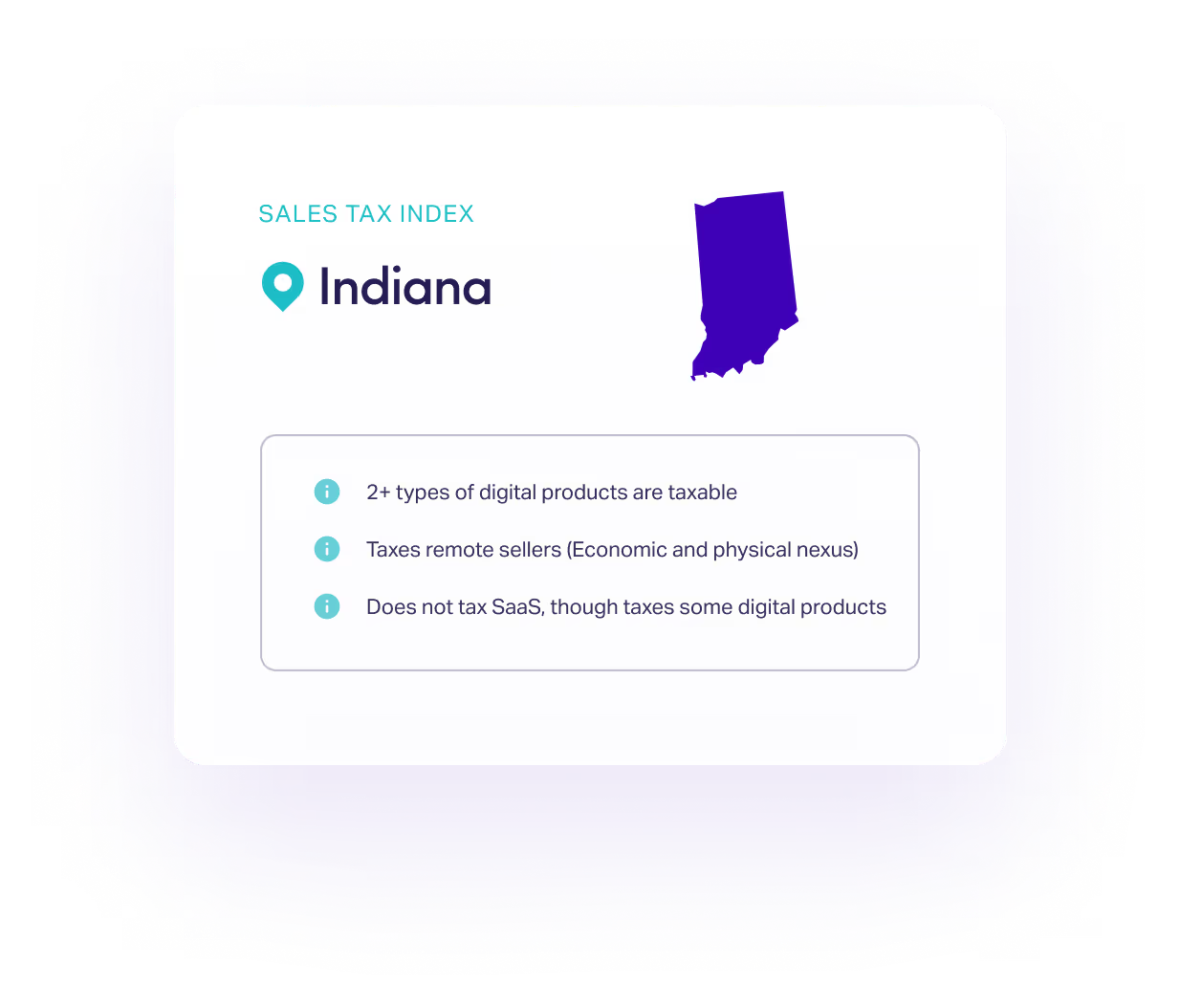
Under current Indiana tax laws, SaaS is not taxable but some digital goods are. Determining the taxability of your specific product is an important step in ensuring compliance with state tax laws and regulations.
How to determine if your product is taxable in Indiana
Several factors come into play when classifying products as taxable or non-taxable. When in doubt, it’s recommended to consult with a tax professional to help you navigate the complexities of Indiana’s SaaS taxation laws and regulations.
If you’ve identified that your product is classified under a taxable category in Indiana, the next step is to understand whether you have nexus within the state. Nexus is a significant connection or presence that obligates a business to collect sales tax on behalf of the state.
A business can have both physical nexus (employees, office locations, or other significant physical presence) or economic nexus (a certain volume of sales activity) in Indiana.
The current thresholds for economic nexus in Indiana are:
- An annual gross revenue exceeding $100,000 from sales in Indiana
- At least 200 separate transactions conducted in Indiana within a calendar year
If a seller meets or exceeds either of these thresholds and has a taxable product, they must register with the Indiana Department of Revenue, collect sales tax, and file regular tax returns. This applies to out-of-state businesses as well.
Sales tax compliance in Indiana
Maintaining sales tax compliance in Indiana involves several steps:
- Register for a sales tax permit: All businesses with nexus in Indiana must register for a sales tax permit.
- Collect sales tax: Once you have your sales tax permit, you need to collect the appropriate amount of sales tax on taxable transactions, including any taxable SaaS products and digital goods.
- File sales tax returns: Businesses must file periodic sales tax returns, typically on a monthly, quarterly, or annual basis, depending on the sales volume. When filing the return, you need to report the total sales and taxable sales, as well as the sales tax collected during the reporting period.
- Remit collected sales tax: Along with filing your sales tax return, you must also remit the collected sales tax to the state. Failure to do so could result in penalties and interest charges.
These requirements apply to both in-state and remote sellers who meet nexus requirements.
It’s essential for businesses providing SaaS solutions and other digital products to stay informed about the evolving tax laws and regulations in Indiana. Regularly reviewing your product portfolio, monitoring nexus thresholds, and consulting with tax professionals can help you maintain compliance while minimizing the risk of potential tax liabilities and penalties.