
Sales tax
Sales tax, explained clearly
Nexus, rates, exemptions, and filing, broken down without the jargon. Everything you need to understand how sales tax works, whether you are registering in your first state or your fiftieth.
All filters
Articles
VAT implications of establishing a foreign sales entity
As you expand your global presence, you may consider establishing foreign selling entities. Here are the implications for managing VAT as a multinational business.
Articles
Three paths to getting your SaaS team sales tax compliant
Most SaaS companies take one of three paths—complying prospectively, including past sales tax liability, and filing a voluntary disclosure agreement (VDA).
Tools
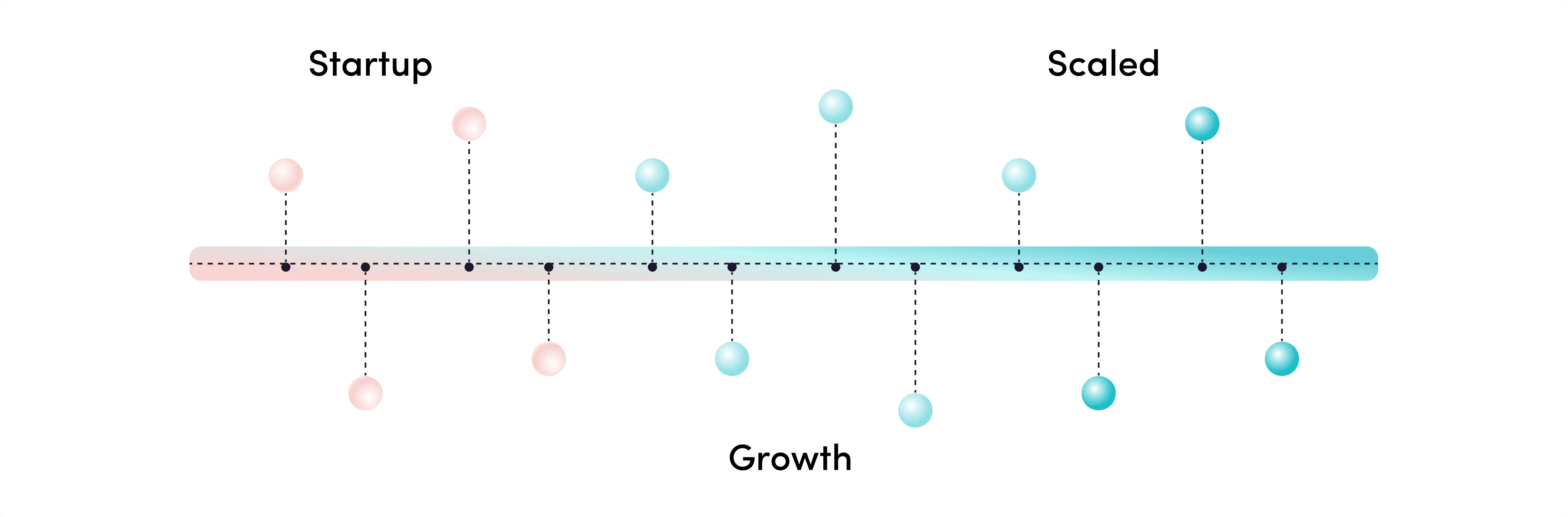
The SaaS sales tax checklist for every company stage
Whether you’re just starting your business or looking toward an exit, here are the key sales tax and VAT milestones you should look out for at any company stage.
Articles
The truth about your sales tax engine: 5 ways it falls short
Companies often turn to a sales tax engine to manage the minutiae of tax codes. But many sales tax engines miss (or charge more for) components that can make or break your compliance.
Articles
The top benefits of rolling out sales tax for your SaaS company
If you become sales tax compliant today, here are the top ways you’ll benefit and be able to measure and report a high return on investment.
Guides
The software finance leader’s guide to sales tax platforms
If you’re selling SaaS or another digital product, there are some key features you’ll need beyond core functionality. Here’s a handy checklist of everything to look for as you compare sales tax platforms.
Guides

The SaaS finance leader’s guide to VAT compliance
Your first sale to a customer in another country could trigger VAT obligations. This guide walks through everything SaaS companies need to know about getting VAT compliant.
Articles
Sales tax vs. income tax: What's the difference for startups?
The difference between sales tax and income tax begins in their names: One is a tax on the sale of products or services while the other is a tax on income. Not every startup must pay both, and which one applies in each case depends on a variety of factors.